


509
509
MWp
of solar PV capacity
Our largest renewable asset
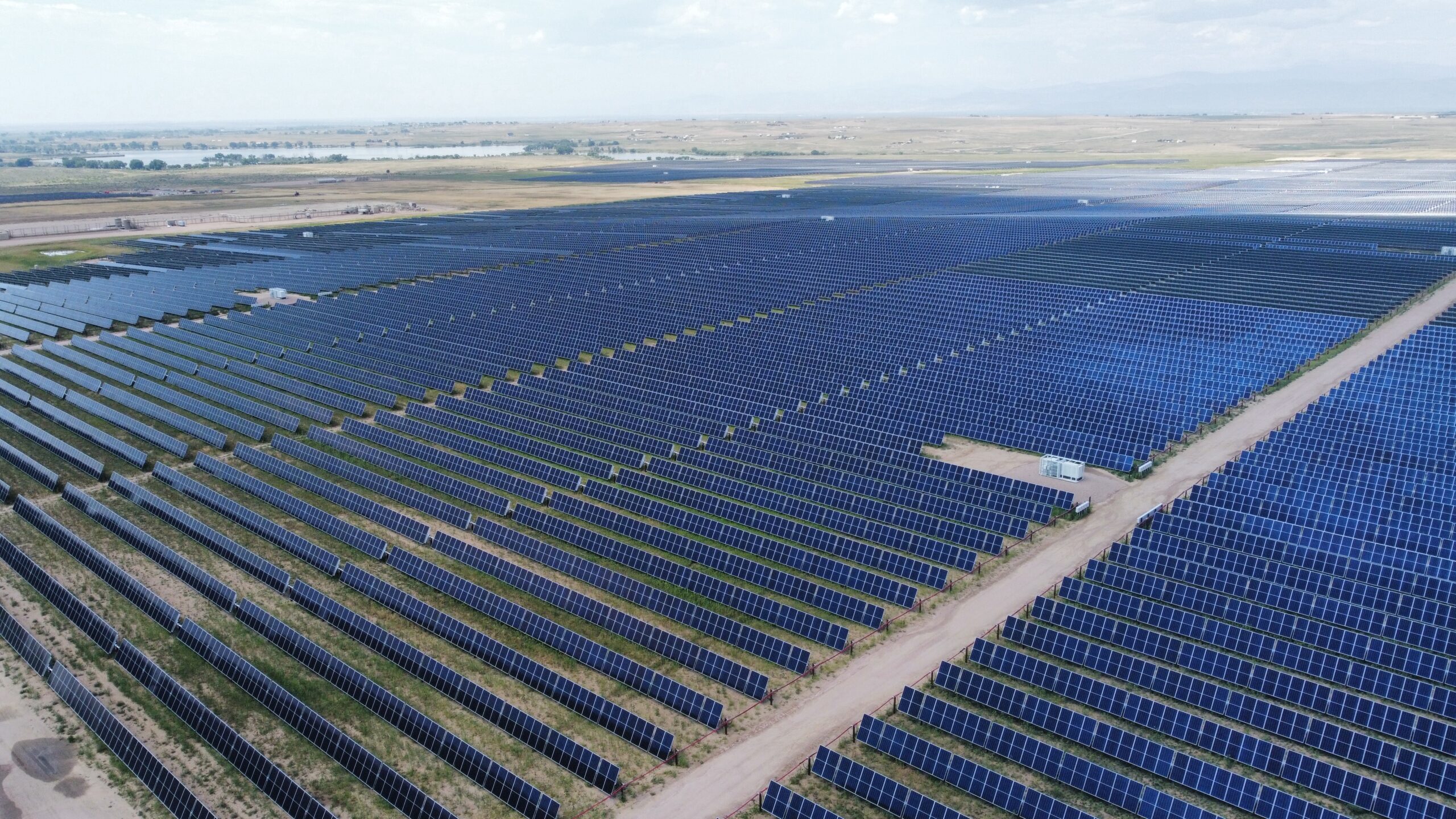
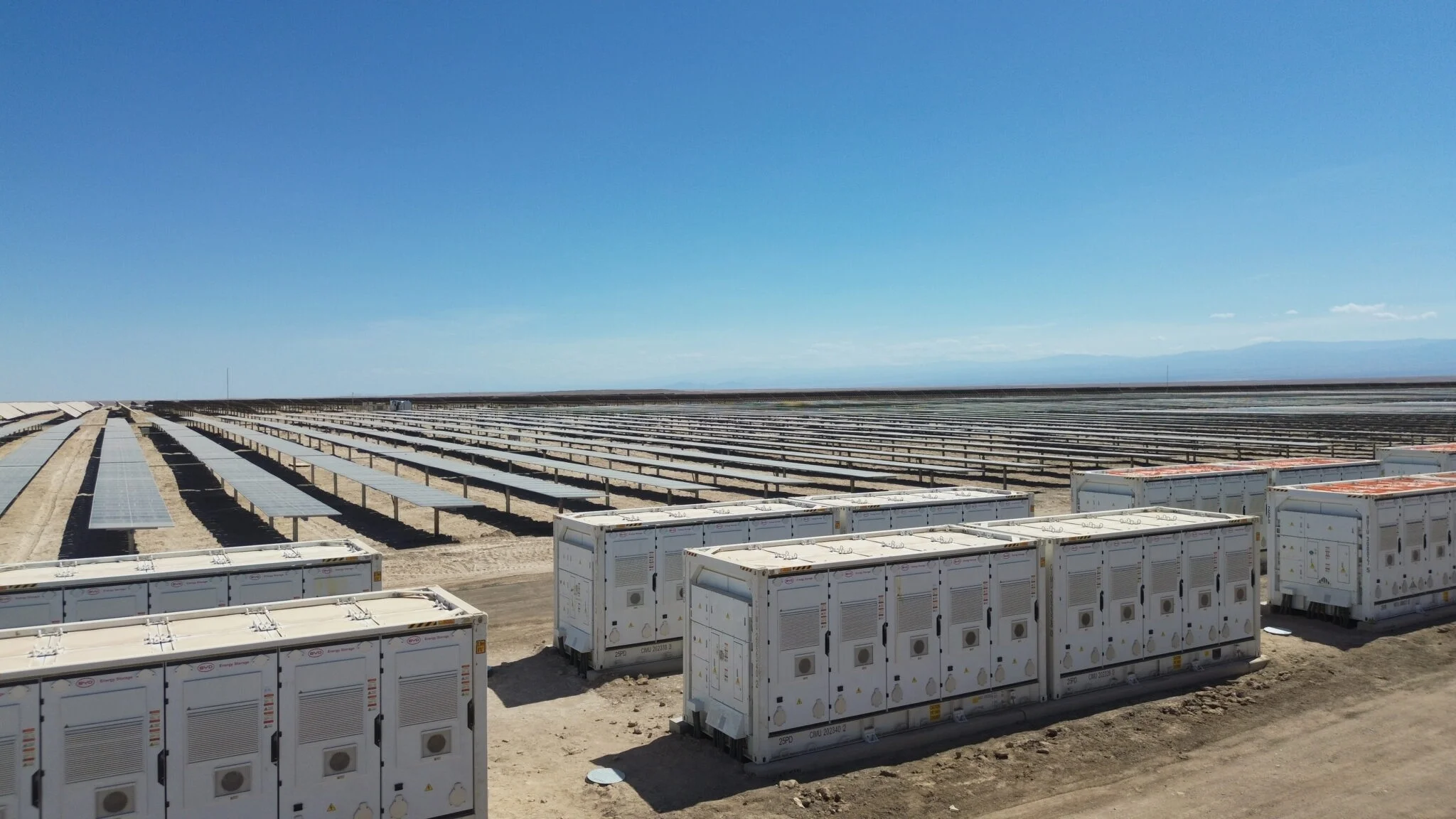
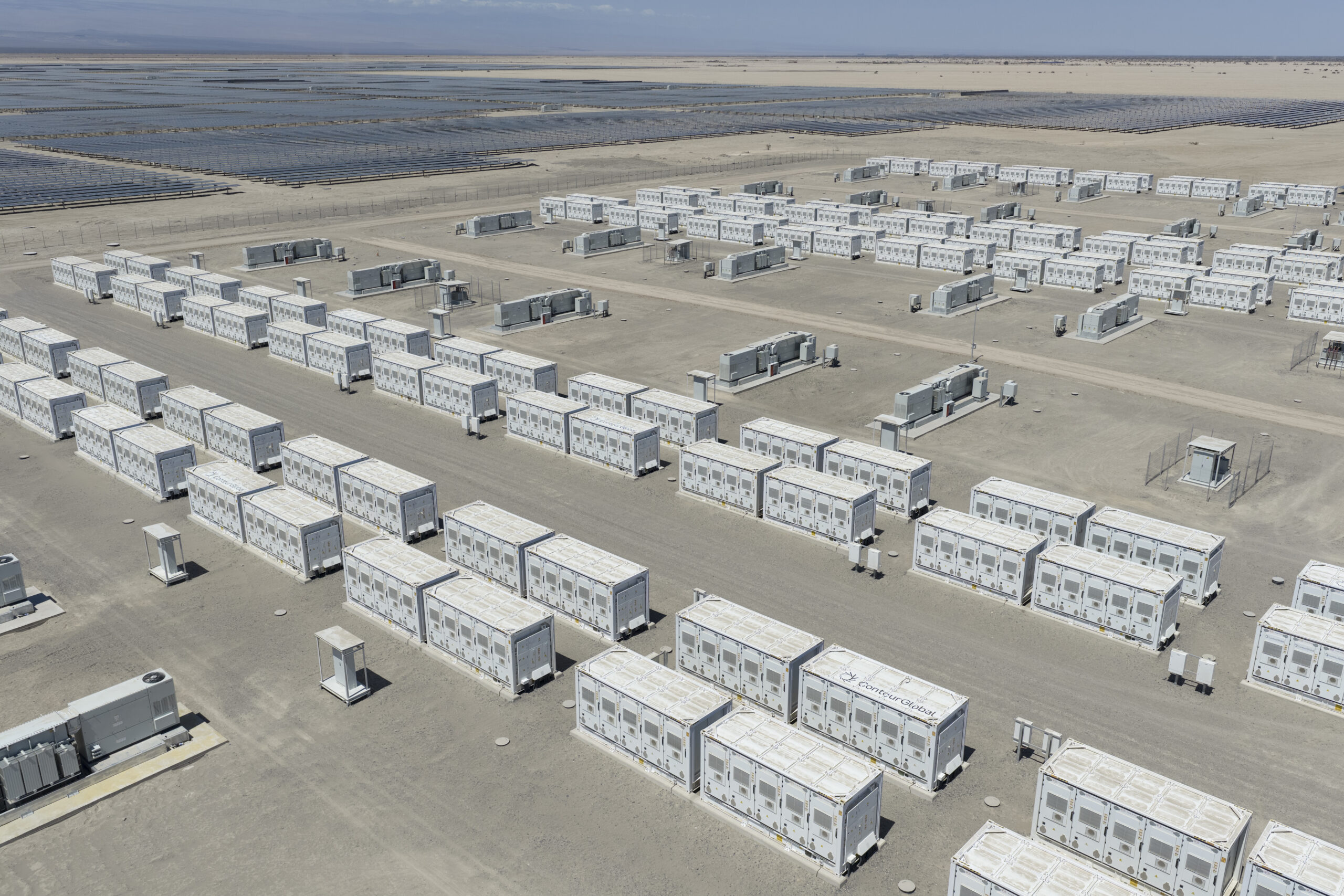
Project Sterling is a large-scale hybrid project combining 509 MWp/ 450 MWac of solar PV with 360 MW / 1.4 GWh of battery energy storage capacity (4 hours duration), with an expected annual energy output of more than 1 TWh, comparable to the residential electricity demand of a mid-sized U.S. city of 100,000 to 120,000 residents. Construction is already underway with commercial operation start expected in 2028. Once operational, it will be ContourGlobal’s largest renewable asset to date.
Located in Arizona and physically connected to the Western Area Power Administration (WAPA) grid, Project Sterling holds firm point-to-point transmission rights to access California’s CAISO, strengthening regional grid reliability.
CAISO is one of the largest and most advanced power markets in North America, with an annual electricity demand of approximately 200 TWh and a peak load of 52,061 MW (in 2022).
Exploiting the benefits of the Western states power interconnection the project highlights Arizona’s role in contributing to a more resilient power grid across the region. Facilitating regional transfers, the project reduces the overall risk of supply shortages, benefiting Arizona alongside neighboring states.
Project Sterling is covered by a 1TWh+/year long-term power agreement with Tesla, representing around 90% of the project’s as‑generated annual output.
Since acquiring the project at the development stage, ContourGlobal’s in-house teams have reshaped its design specifically to meet the offtaker’s requirements.
This deal shows ContourGlobal’s ability to deliver tailor-made solutions to satisfy the most energy-intensive customers’ needs.
The Sterling Project is a core pillar of ContourGlobal’s commitment to lead a responsible energy transition, directly supporting our goal to reach Net Zero by 2040. By integrating advanced BESS technology, the facility significantly enhances grid resilience, ensuring a stable supply of carbon-free electricity even during non-solar hours.
Furthermore, facilitating regional transfers, the project reduces the overall risk of supply shortages, benefiting Arizona alongside neighboring states.
Finally, during construction phase, the project will generate opportunities for local workforce, local services and site logistics creating direct shared value for the local community as well.
General Manager USA
Javier Alvarez Canedo brings c. 25 years of experience in investment banking, corporate development and corporate finance across international markets.
He joined ContourGlobal in 2024 as SVP of M&A Americas, leading the company’s investment and transaction activities across the US and Latam. In 2026, he was appointed General Manager USA, with full responsibility for operations and performance across the company’s thermal and renewable portfolio, as well as for driving the strategic expansion of its renewable and battery storage platform.
Prior to joining ContourGlobal, Javier held senior roles at EDP Renewables, BBVA, Cargill and Lehman Brothers / Barclays Capital. In these roles, he led complex cross-border transactions across the United States, Europe and Latin America, executing numerous acquisitions and divestments in different industries and countries, including multiple investments in wind, solar and storage projects and portfolios in the Americas with a combined size of more than 6 GW.
To inquire about partnerships, propose a project, or request information, please contact us here: us.office@contourglobal.com
For specific inquiries regarding the Sterling project, you can reach out to the Project Manager, Brayten McGee, via phone (918) 568-9148 or via email: brayten.mcgee@contourglobal.com
A utility-scale solar plant converts sunlight into electricity using photovoltaic (PV) modules and delivers power to the grid through inverters and substations. These projects are designed to supply clean energy at a scale that supports cities, industry, and large commercial demand.
A BESS stores electricity so it can be delivered later, making solar power more flexible. Pairing solar with batteries helps shift renewable energy into evening hours, reduce curtailment, support grid stability, and improve the overall value of clean generation.
A hybrid solar PV + BESS plant is a renewable power facility that combines solar generation and battery storage to deliver flexible, reliable, and higher‑value electricity to the grid or end users.
“4-hour” storage refers to a battery system designed to discharge at its rated power for roughly four hours. This duration is commonly used to meet peak demand, stabilize grids with high renewable penetration, and provide predictable dispatch during critical hours.
By combining clean generation with fast-responding storage, hybrid projects can provide more dependable delivery during non-solar hours and help manage rapid demand changes. This improves reliability in regions experiencing load growth and electrification.
Project Sterling is a large‑scale hybrid solar photovoltaic and battery energy storage project located in Mohave County, Arizona. It combines approximately 509 MWp/ 450 MWac of solar generation with 360 MW of battery storage and is designed to deliver more than 1 TWh of electricity per year. The project has completed all discretionary approvals and is scheduled to begin on‑site construction in 2026, with commercial operations planned for 2028.
Sterling supports Arizona’s role within the Western Interconnection by delivering clean, reliable power through existing grid and market structures. Physically interconnected to the Western Area Power Administration (WAPA) system and delivering energy into CAISO, the project strengthens regional grid reliability while relying on private capital and a long-term power purchase agreement (PPA) rather than regulated retail tariffs. The PPA secured for this facility is with a tier‑one global industrial off taker and among the world’s largest corporate buyers of long‑term renewable electricity contracts, and it will be one of the largest, if not the largest, solar-plus-battery storage corporate PPA ever signed from a single plant in U.S. renewable energy history.