


In Chile, we are pioneering hybrid models that combine large-scale solar generation with high-capacity, long-duration energy storage.

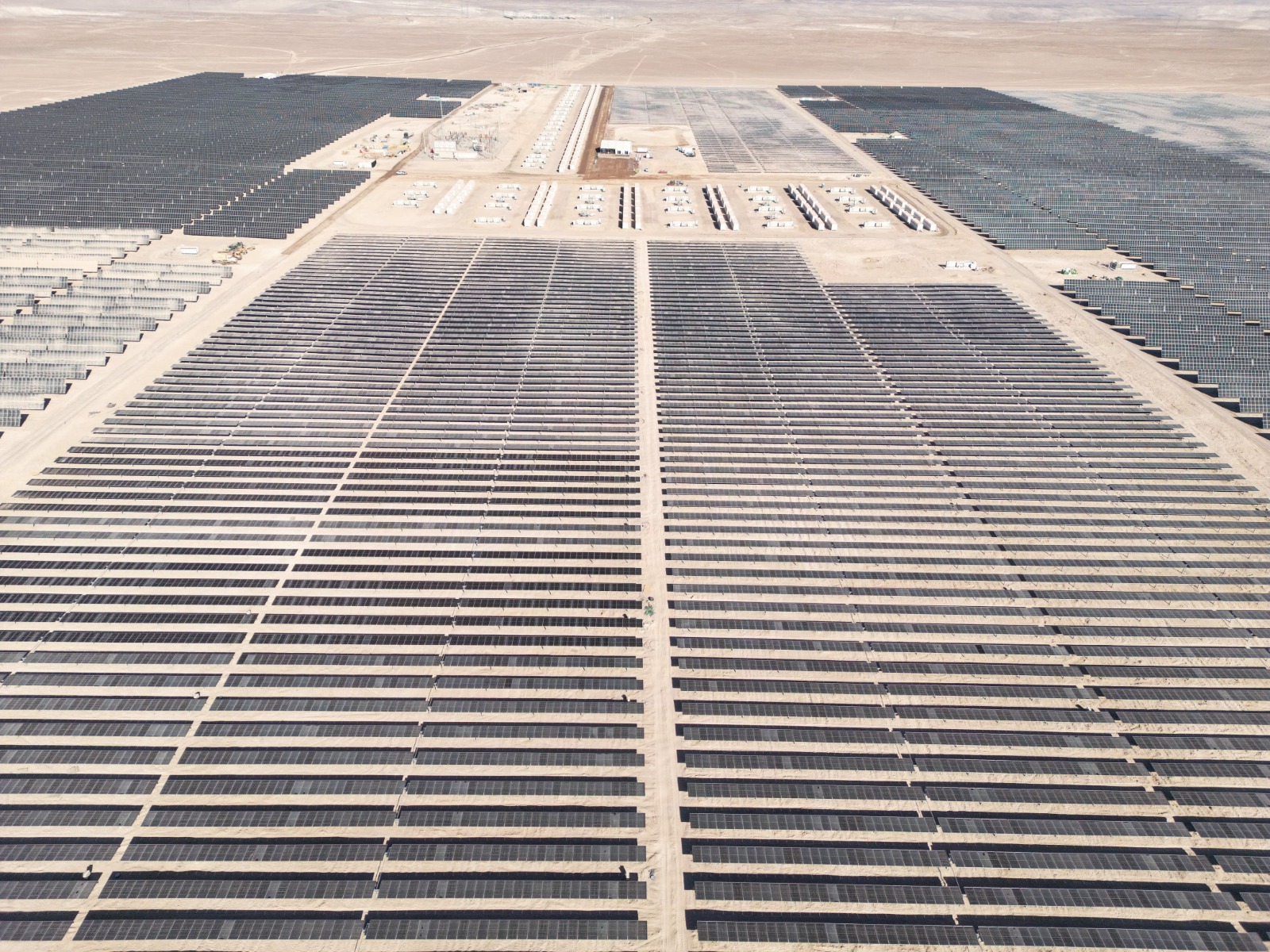
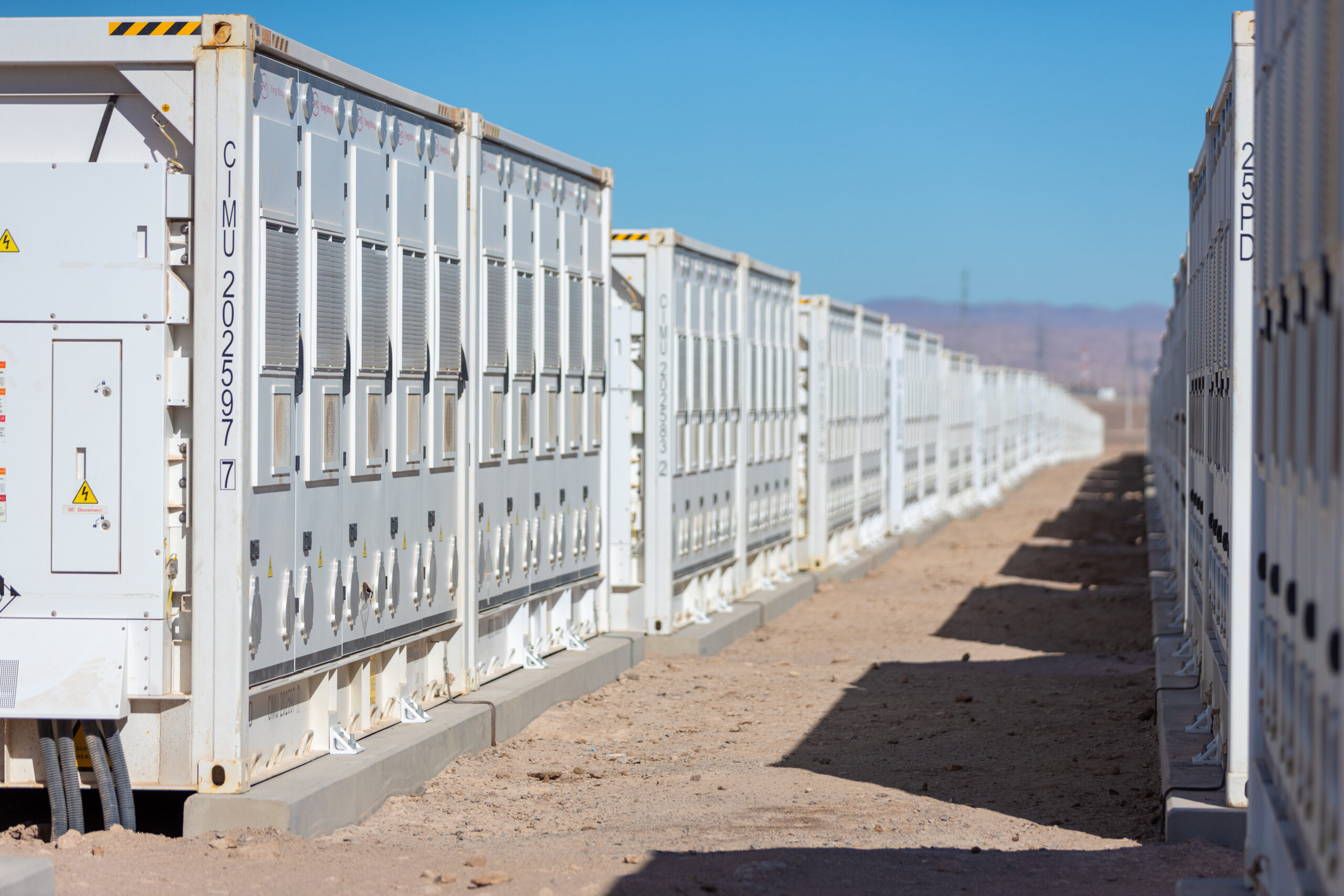
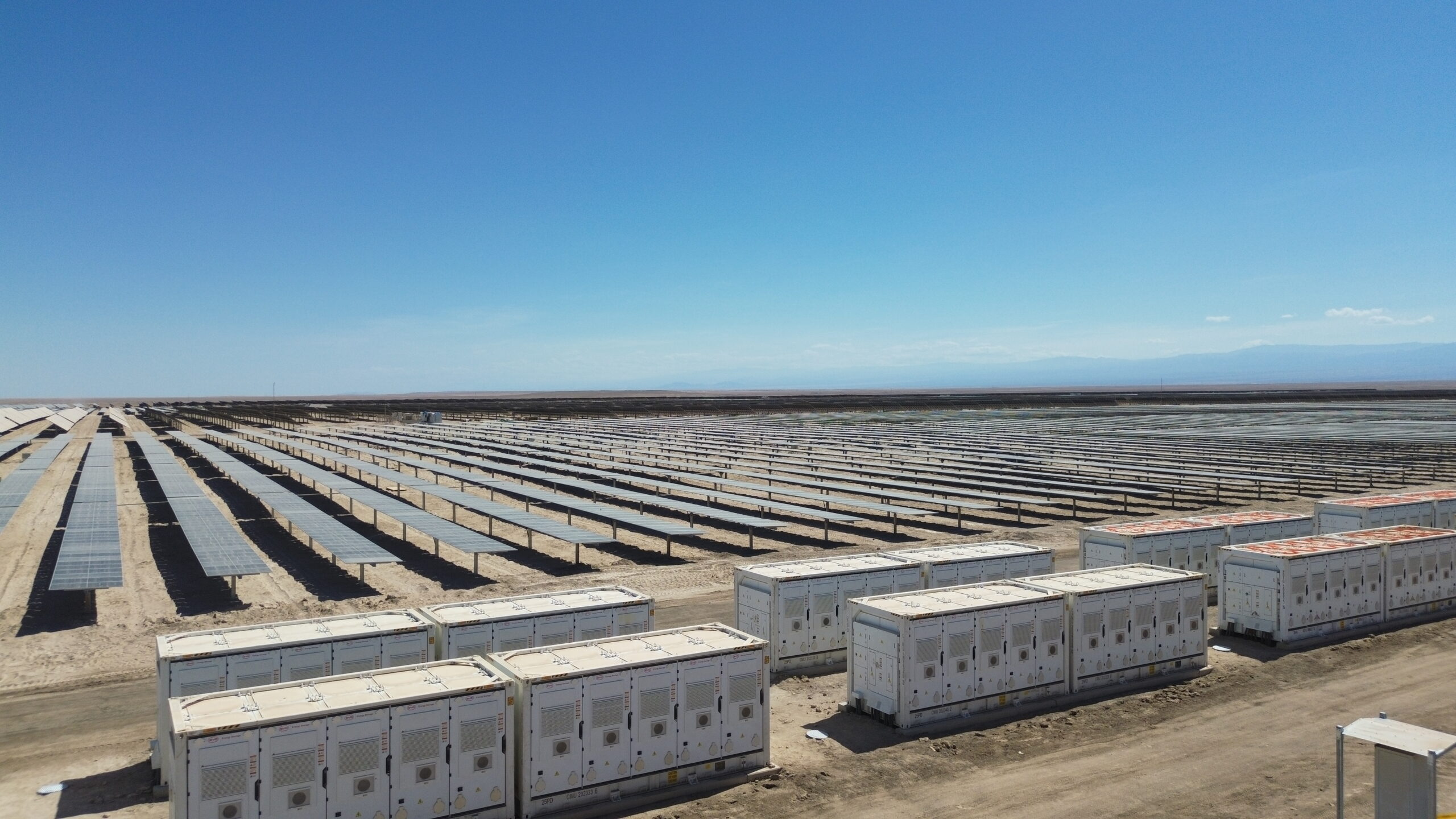
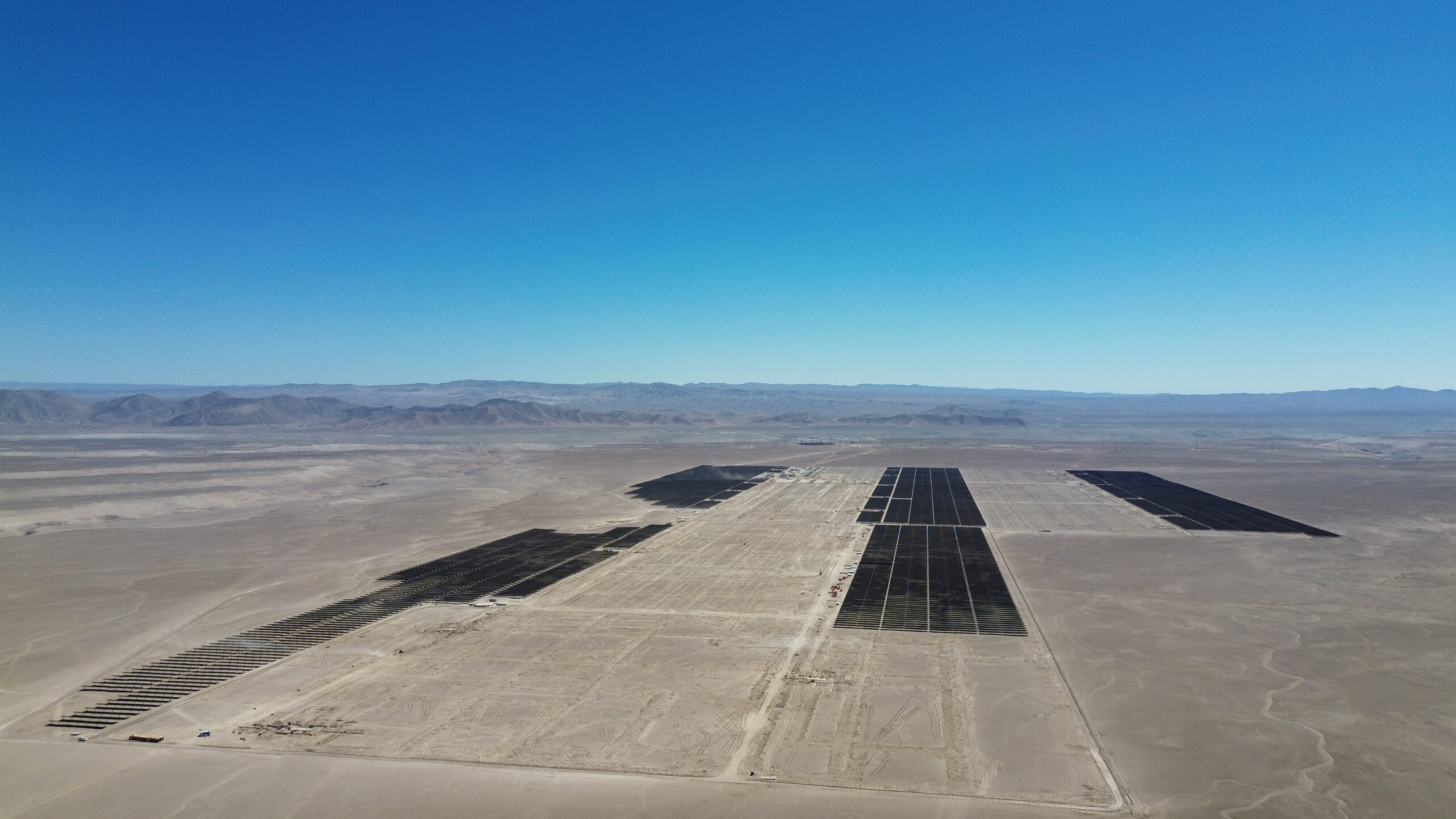
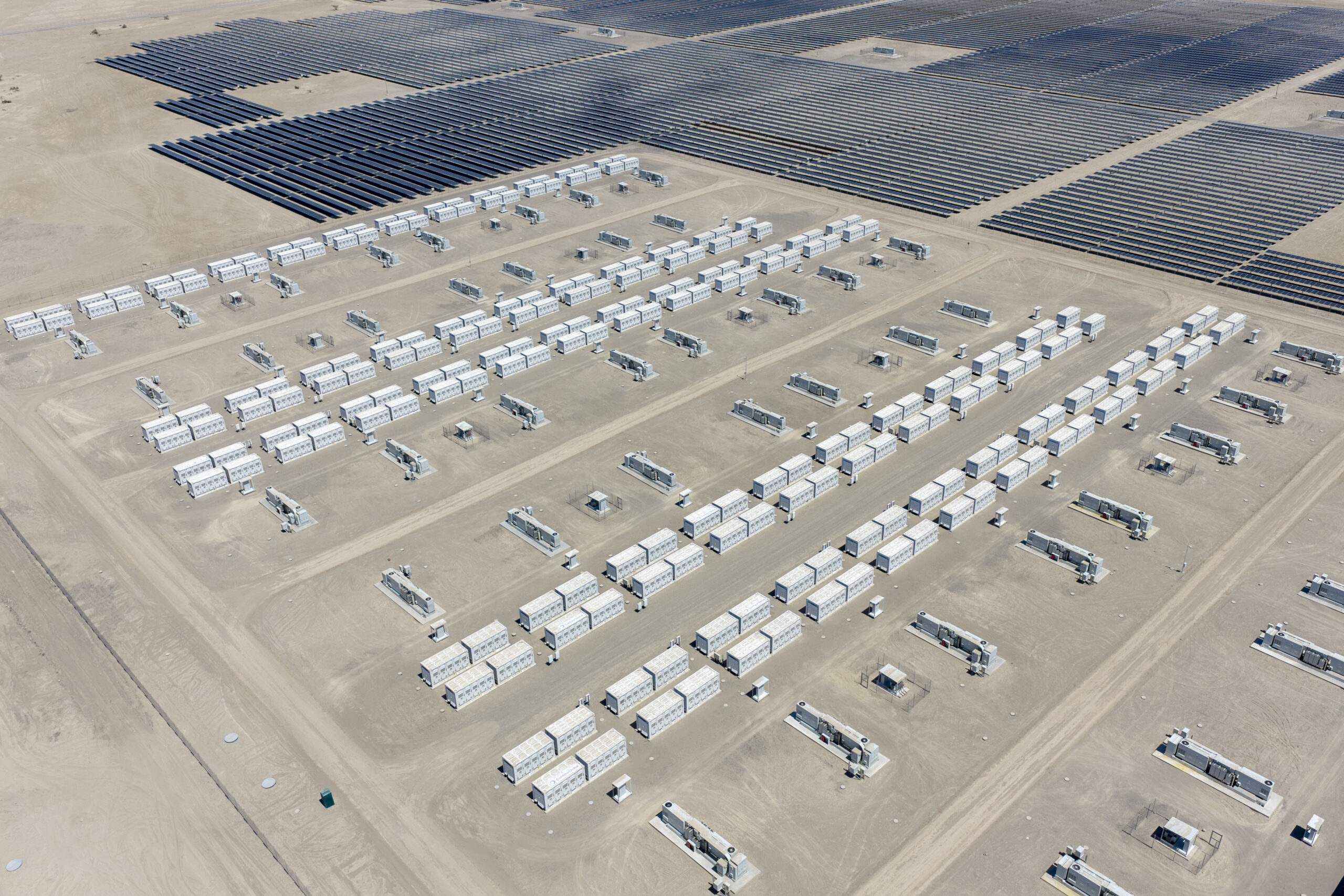
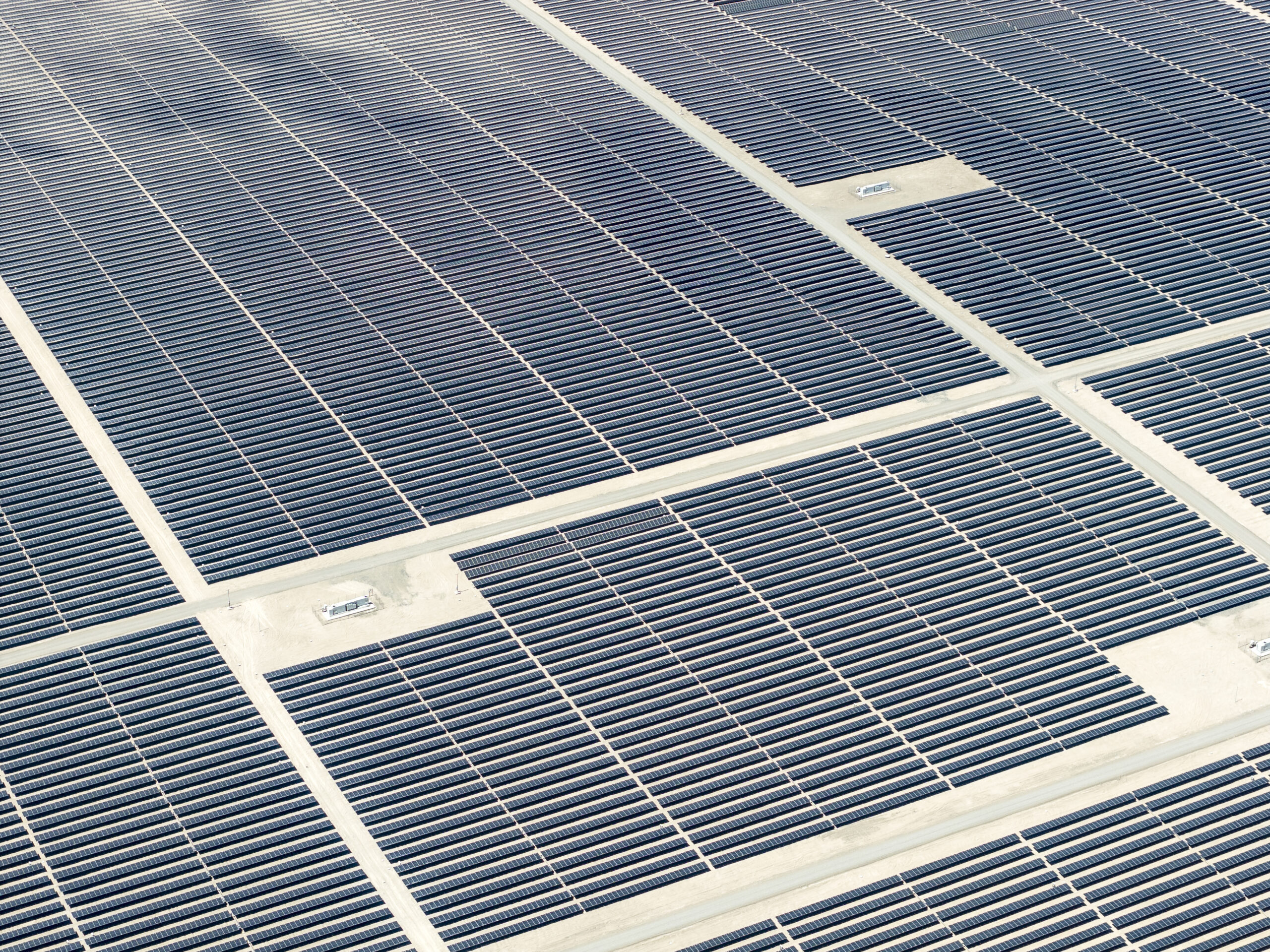
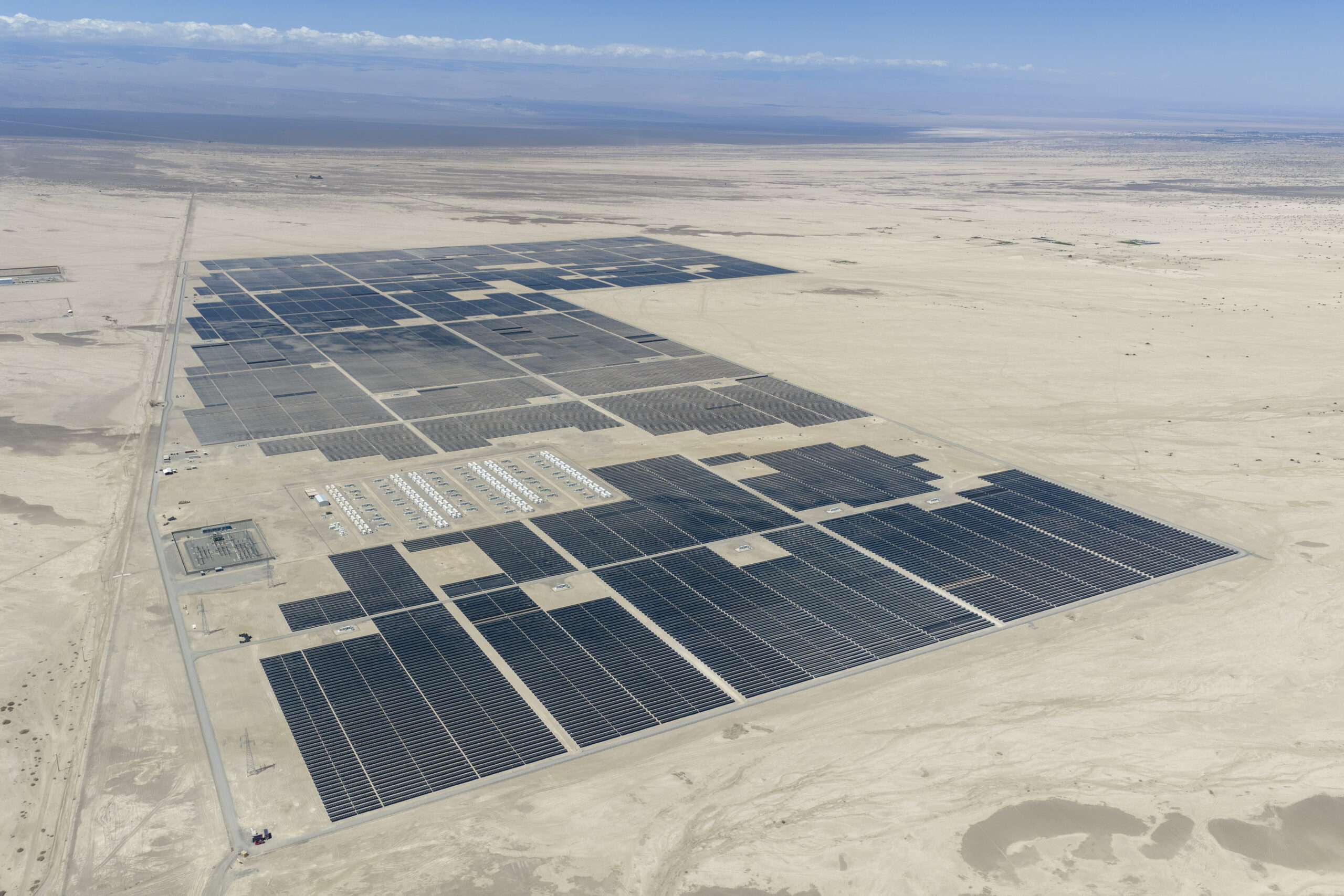
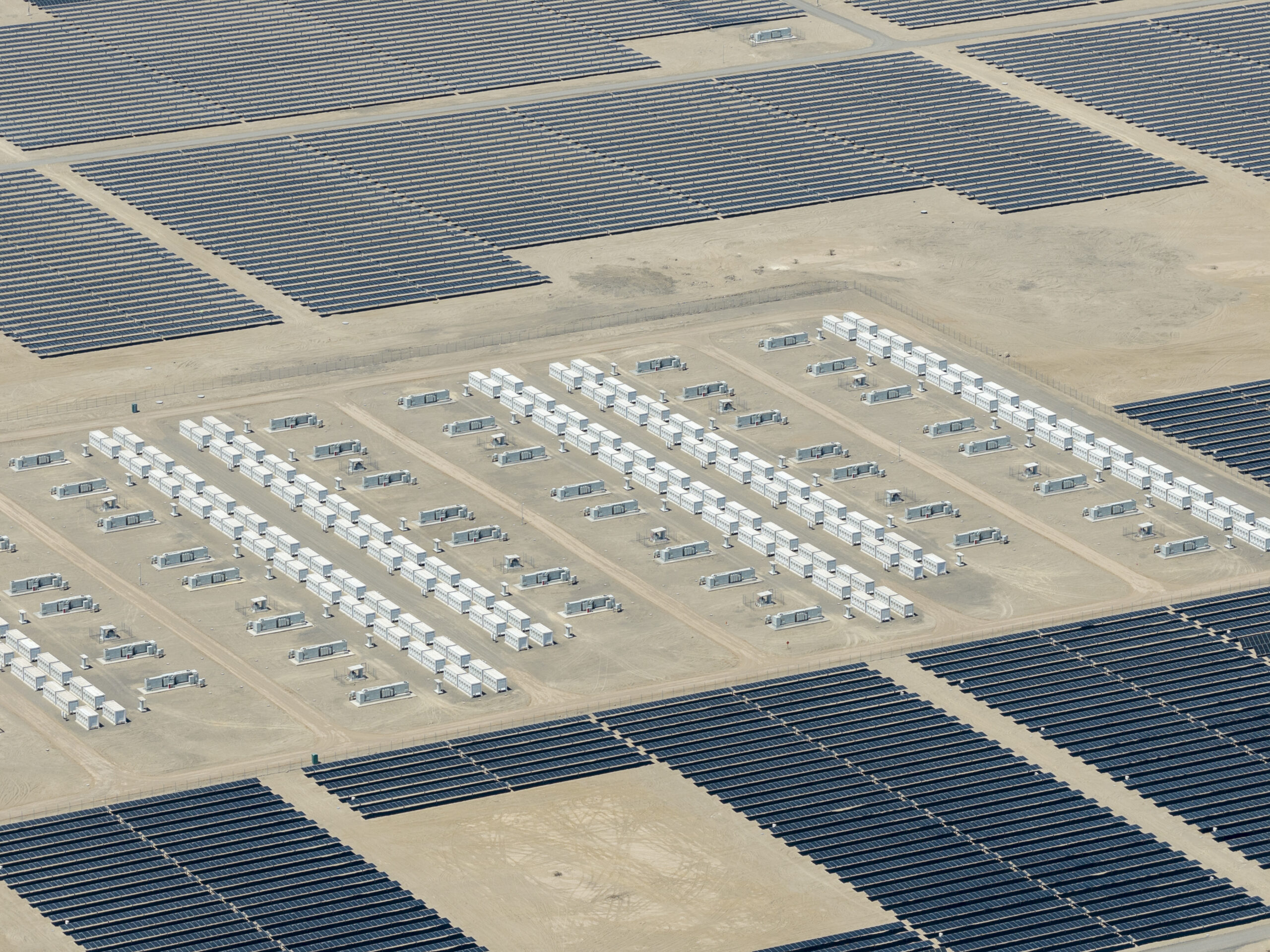
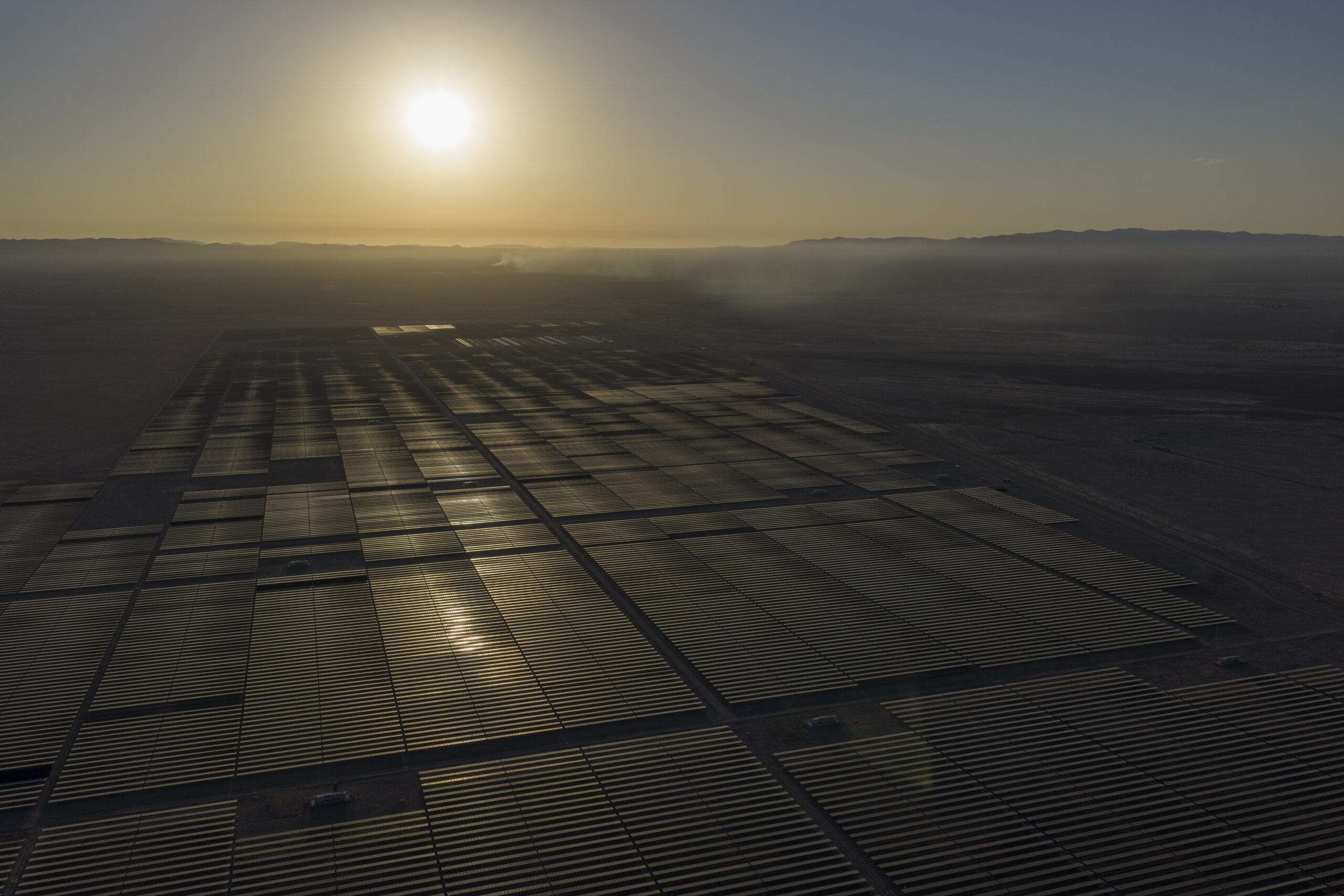
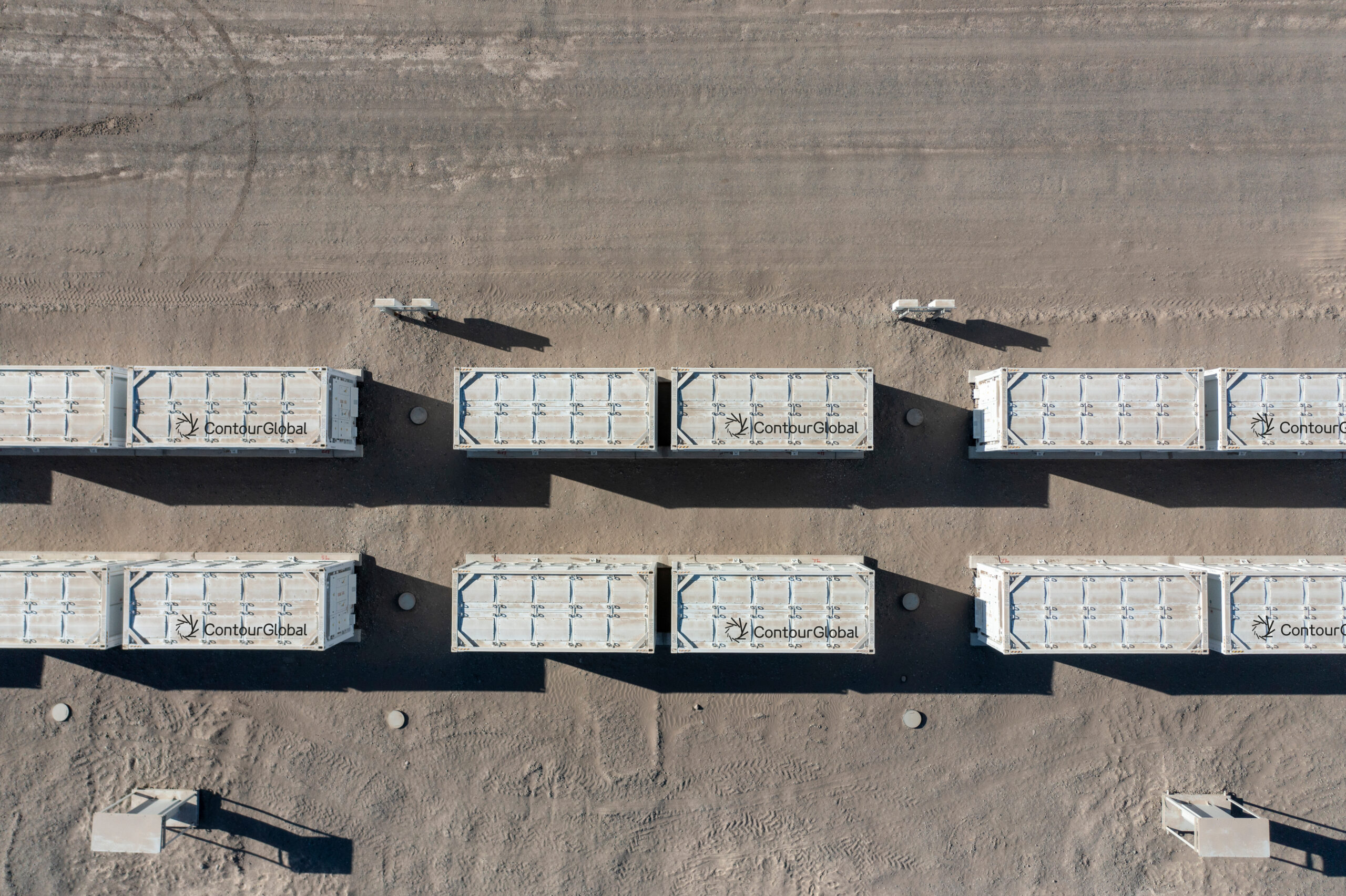
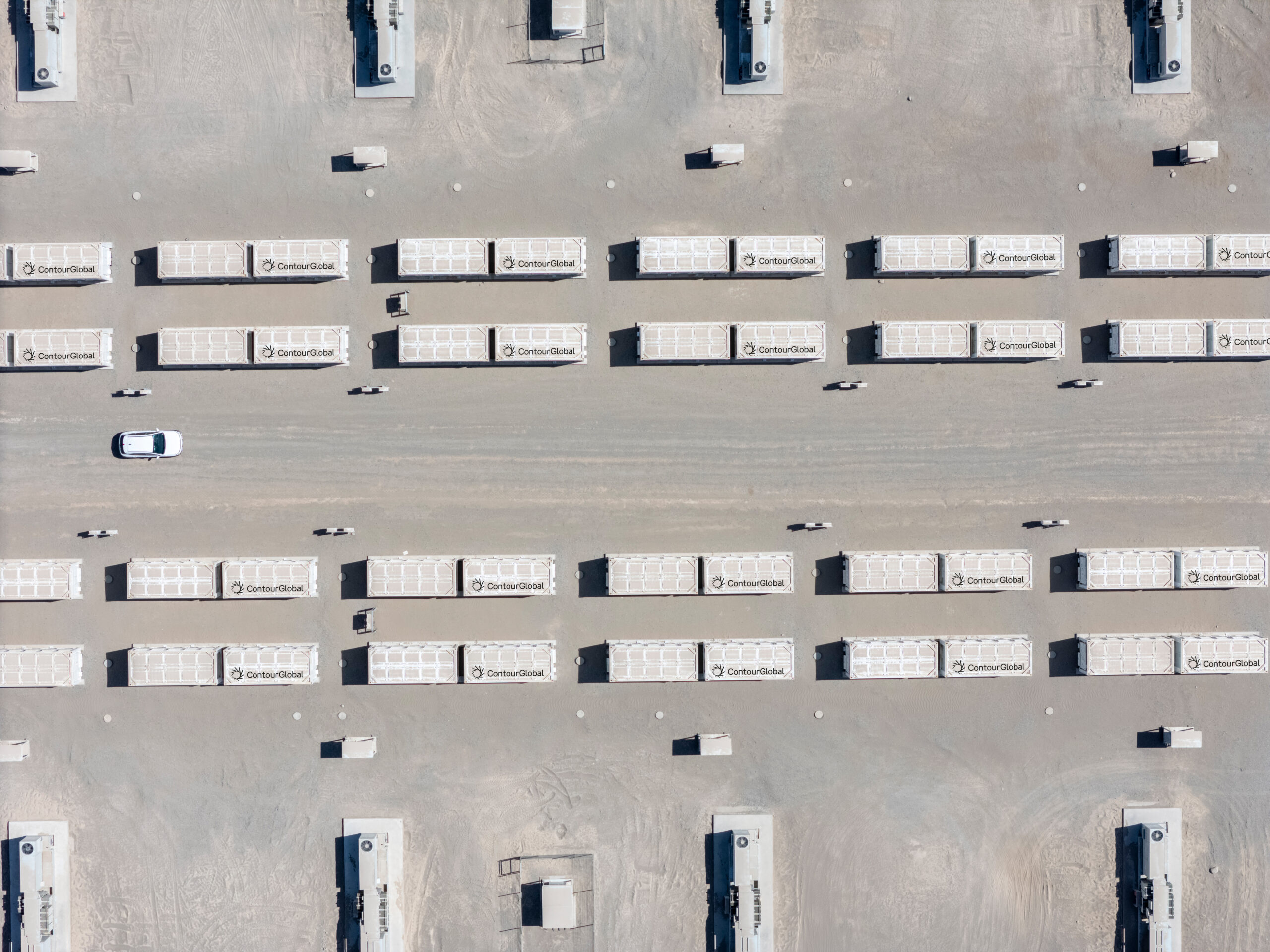
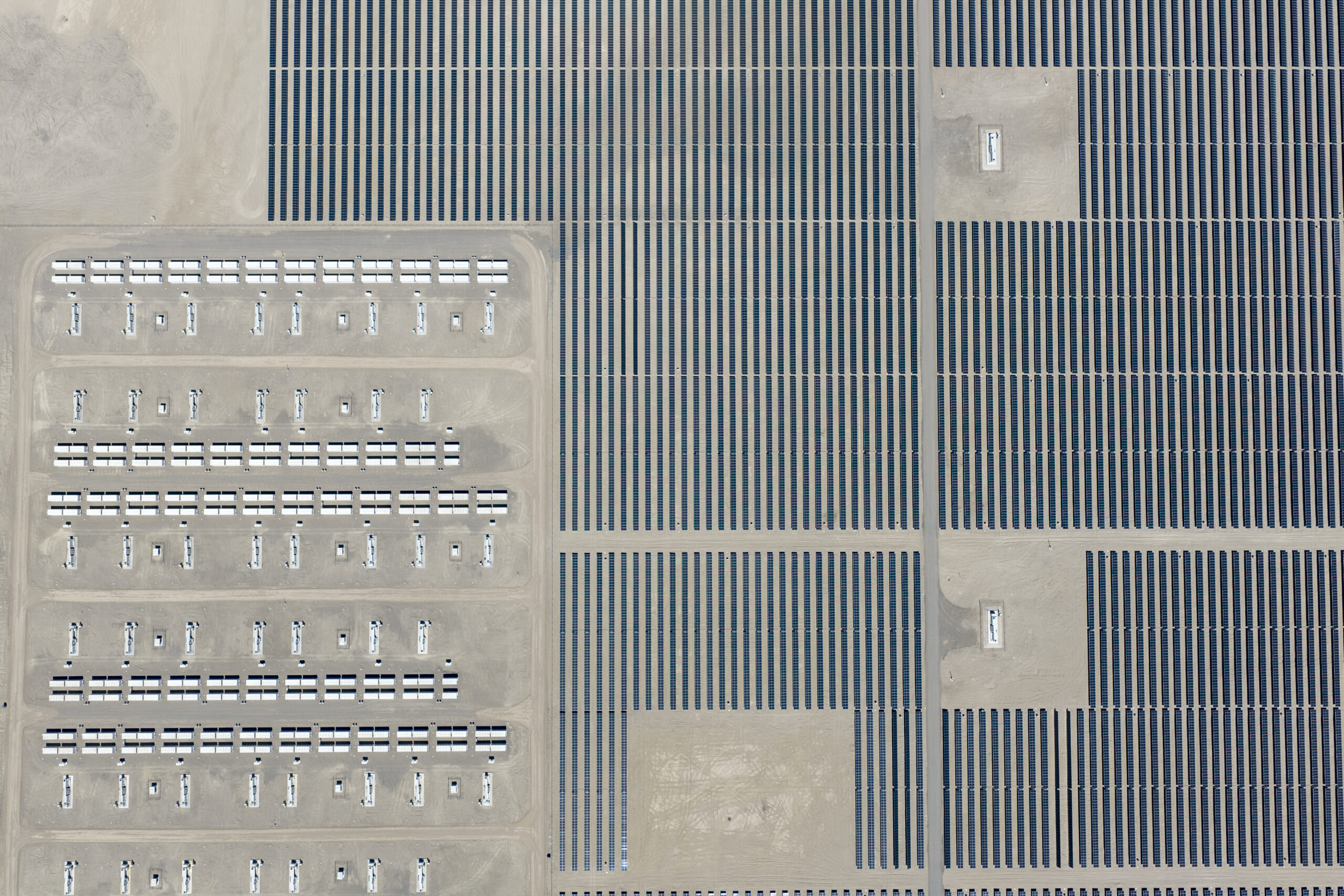
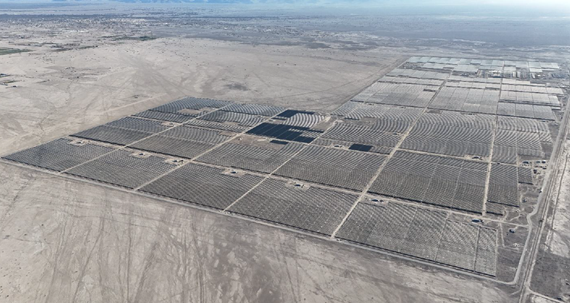
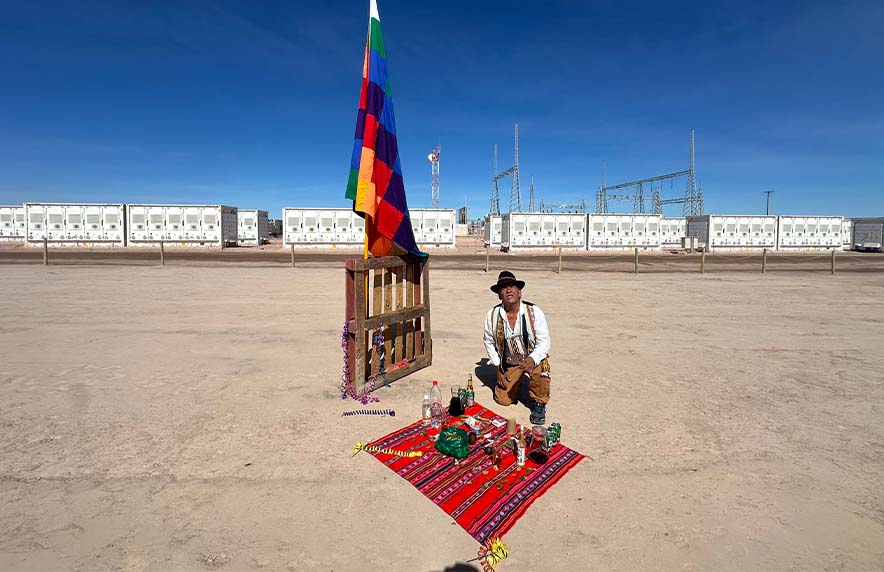
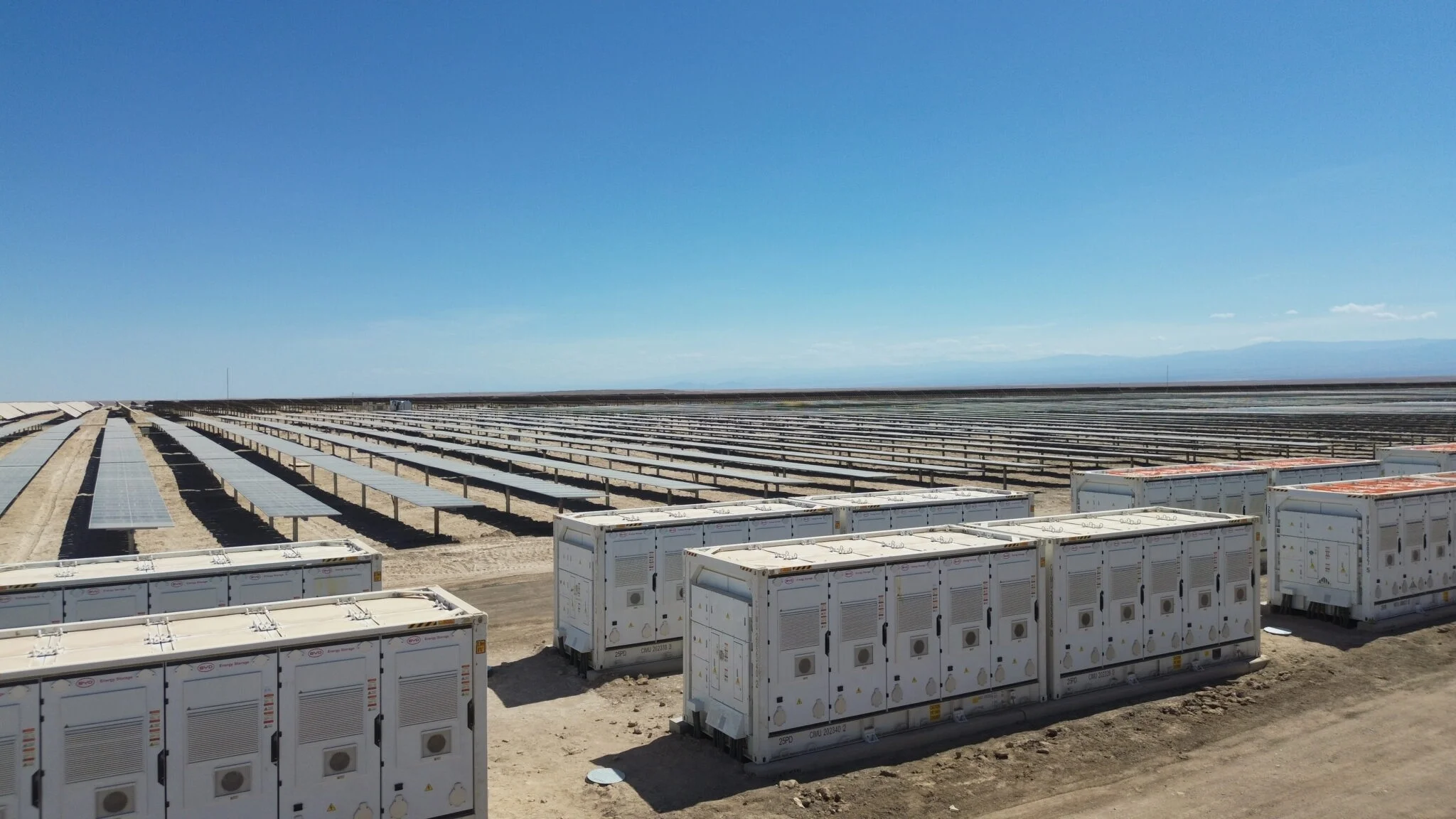
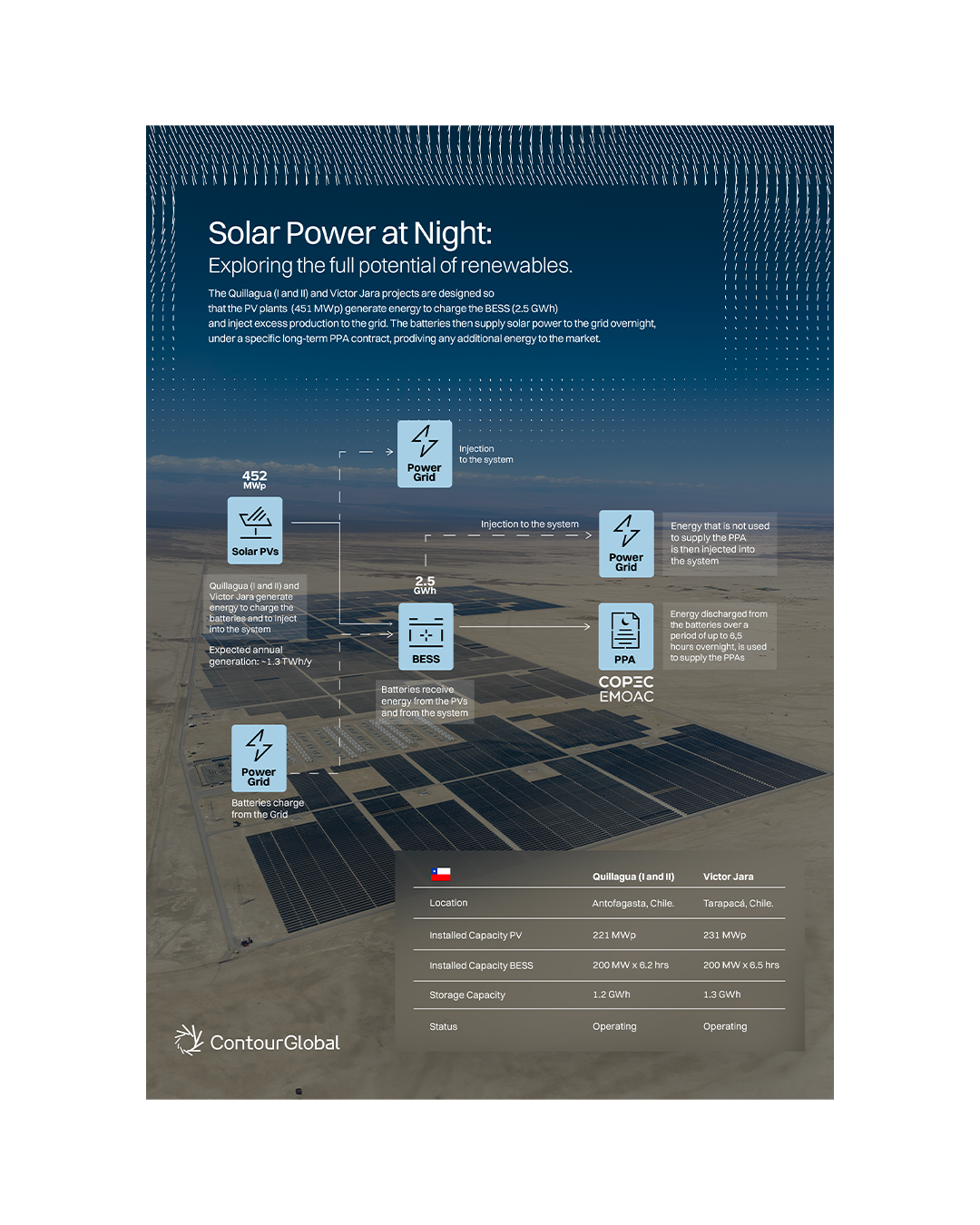
Quillagua plant, fully operational and located in Antofagasta, forming a 221 MWp photovoltaic complex equipped with a 1.2 GWh battery storage system. This advanced system enables the delivery of 200 MW of clean energy for up to 6.2 hours after sunset, making Quillagua the largest solar plant with storage in Latin America. The project operates under a long-term overnight purchase agreement (PPA), ensuring the reliable supply of renewable energy at night.

In Tarapacá region, the sister plant Víctor Jara project is also operational (231 MWp PV + 1.3 GWh BESS), and, together with Quillagua, it forms one of the world’s most advanced hybrid energy complexes in Chile’s Atacama Desert.

Combined, these facilities reach a total capacity of 452 MWp of solar PV and 400 MW of BESS, with 2.5 GWh of storage capacity, enabling continuous energy delivery for up to 6.5 hours after sunset under the innovative “Sun at Night” model and PPA.

452
452
MW
of total generation capacity
400
400
MW
BESS in operation
6.5
6.5
hours
of duration

Quillagua I & II

Quillagua is a 221 MWp photovoltaic solar plant with a 1.2 GWh battery storage system, capable of delivering 200 MW for 6.2 hours after sunset, making it the largest solar plant with a storage system in Latin America. The plant is under a long-term clean energy purchase agreement (PPA), ensuring the supply of solar energy at night and dispatching any surplus to the commercial market.

Victor Jara I & II

The Victor Jara project, in the Tarapacá region (Chile),  is a hybrid plant combining 231 MWp of photovoltaic capacity with 1.3 GWh of battery storage (BESS), designed to ensure continuous supply even during nighttime, following the “Solar at Night” model.

Construction began in December 2024 and commercial operations (COD) started Q1 2026. Like Quillaga, it has a 15-year PPA secured and will supply clean energy into the night, supporting grid stability and decarbonization in Chile.

Timeline

  • December 2024
    December 2024
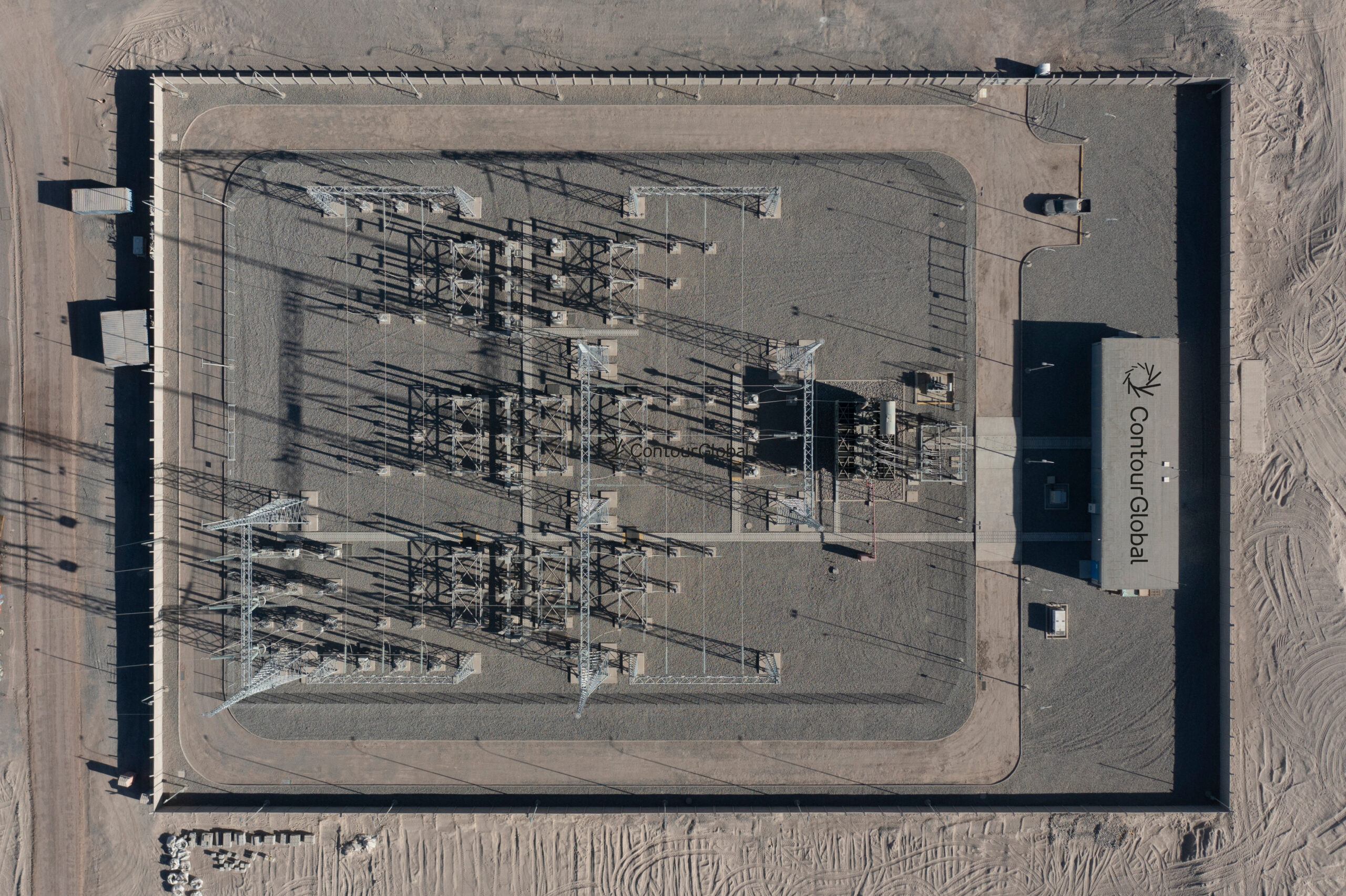
    Acquisition of a Victor Jara Solar and Battery Storage Complex for a total of 221 MWp of installed capacity and 2 MW for 6,25 hours. Victor Jara started its early earth woks on sites of generation complex, HV power substation and interconnection line.
  • April 2025
    April 2025
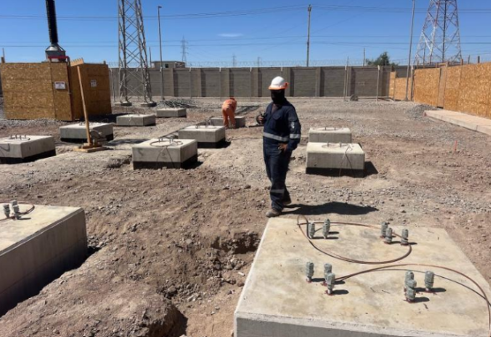
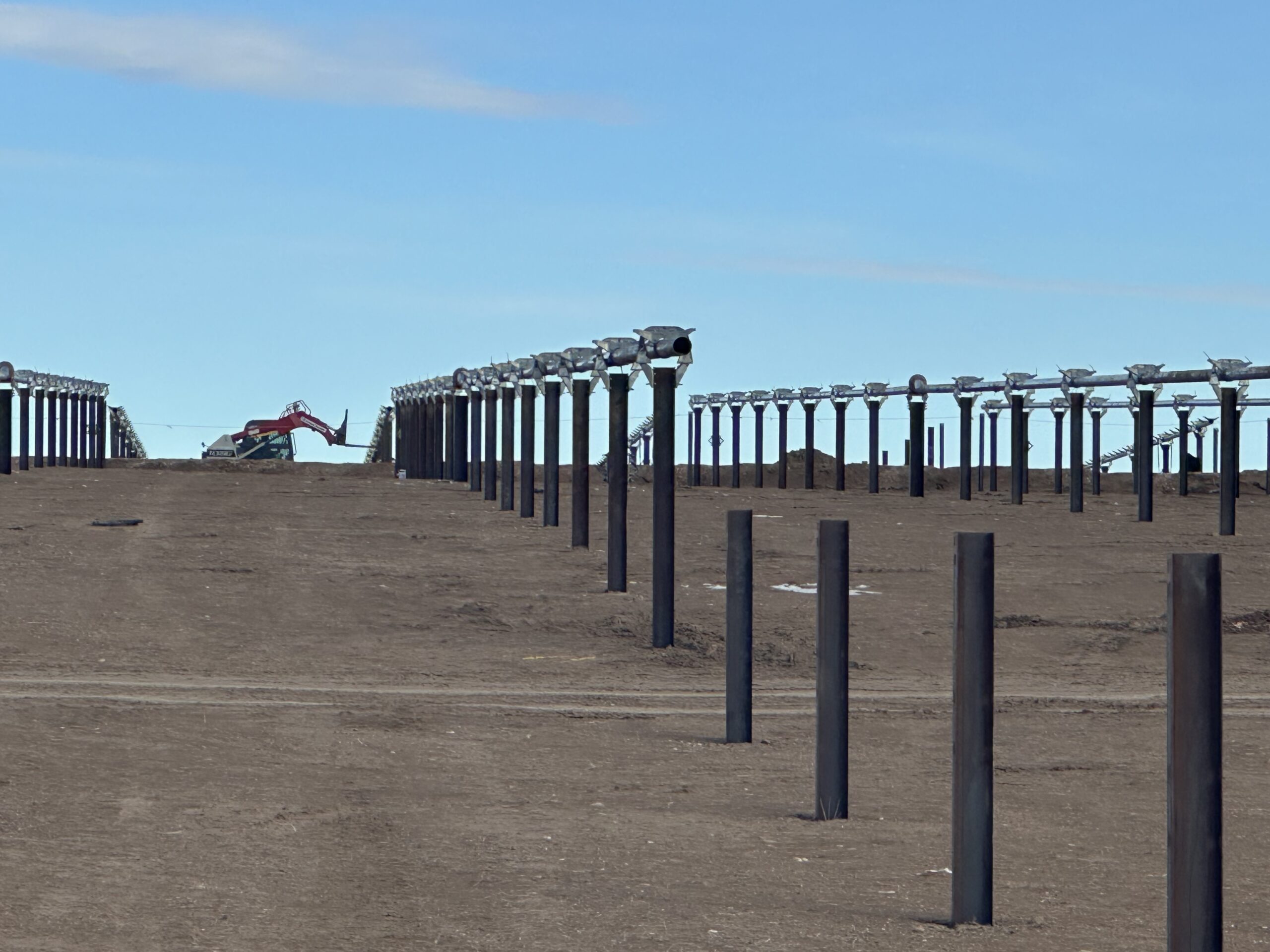
    Victor Jara construction reached all civil works, roads, foundation and structures.
  • August 2025
    August 2025
    Victor Jara reached its Electromechanical Completion (EMCC) in the PV, BESS and HV substation and HV line, also reached the energization in the interconnection substation of Pozo Almonte.
  • September 2025
    September 2025
    Victor Jara energization of Substation and start of commissioning and tests.
  • March 2026
    March 2026
    Start of commercial operation of Victor Jara power plant.

Shared value

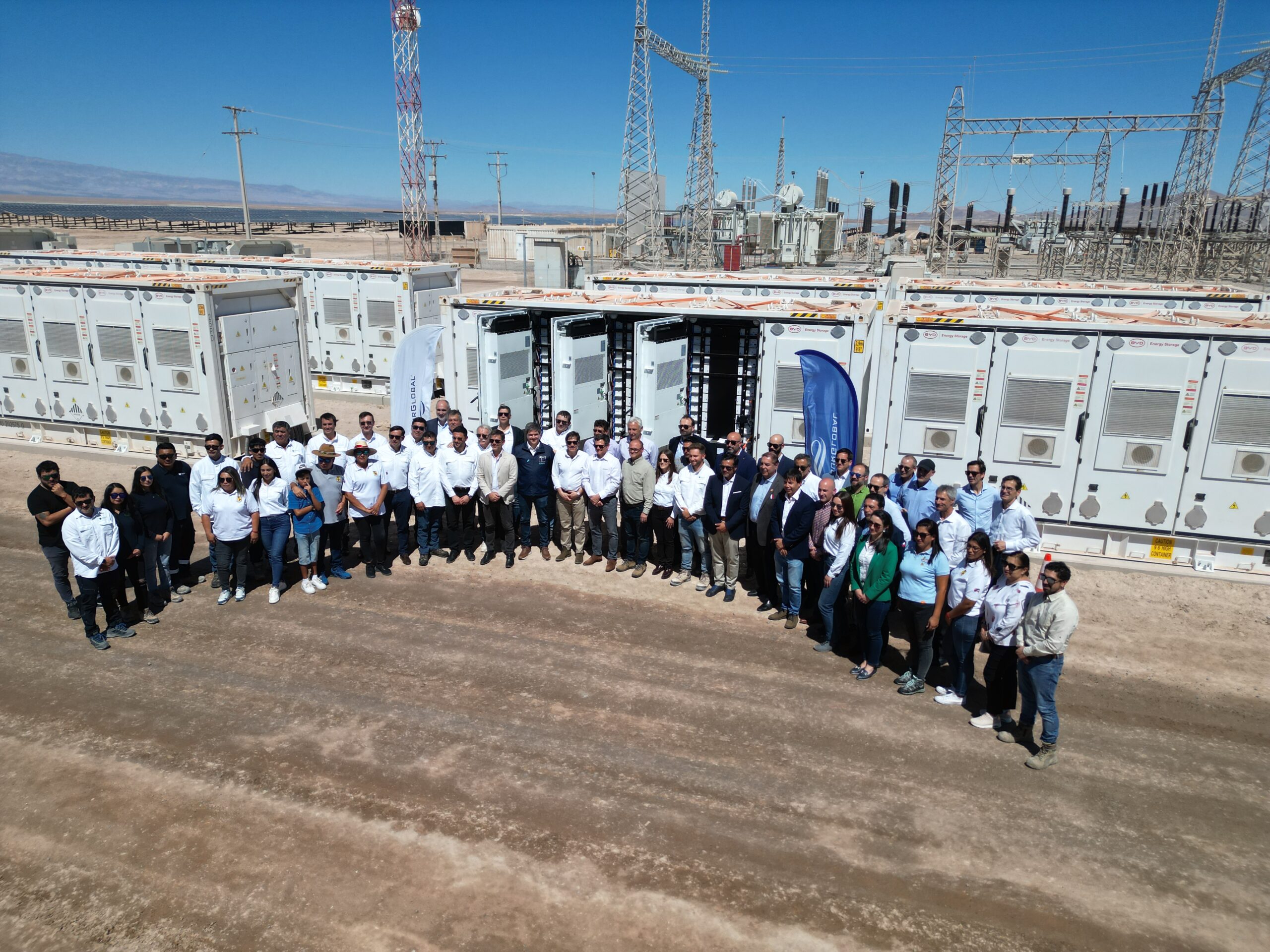
In terms of employment, the project has already created a significant number of direct and indirect jobs during its construction phase, with an average of 302 workers in 2025 on the Victor Jara site and a peak of 354 in February. Special emphasis has been placed on hiring local labor and suppliers from the Tarapacá region. Beyond the economic impact, the project is also fostering connections with the local community through various shared moments, such as the collaborative support and funding of the initiative “Activadores del Desierto”  lead by America Solidaria in the school “Liceo Alcalde Sergio Gonzalez Gutierrez” of Pozo Almonte, Tarapaca Chile.

Partnership information

A key aspect of Quillagua and Victor Jara Projects is the reliance on grenergy supply chains of main equipment and subcontractors for construction and equipment used. Grenergy, who originally developed the projects, was entrusted with the construction overseeing local contractors for civil, structural and electrical works.

Project Lifecycle: From Ground to Grid

The construction of a utility-scale solar power plant like Victor Jara and Quillagua follows a series of well-defined phases that reflect both engineering best practices and strict regulatory standards in Chile. This interactive timeline highlights the key steps involved:

  • Land Preparation and Site Clearing
    Land Preparation and Site Clearing
    The process begins with site surveys, environmental assessments, and grading. This includes clearing vegetation and preparing access roads to ensure the safe and efficient movement of construction equipment and personnel.
  • Civil Works and Foundations
    Civil Works and Foundations
    Once the land is prepared, civil works begin. This includes trenching for underground cables, installing foundations for the solar trackers or fixed-tilt structures, and building stormwater management systems.
  • Structural and Mechanical Installation
    Structural and Mechanical Installation
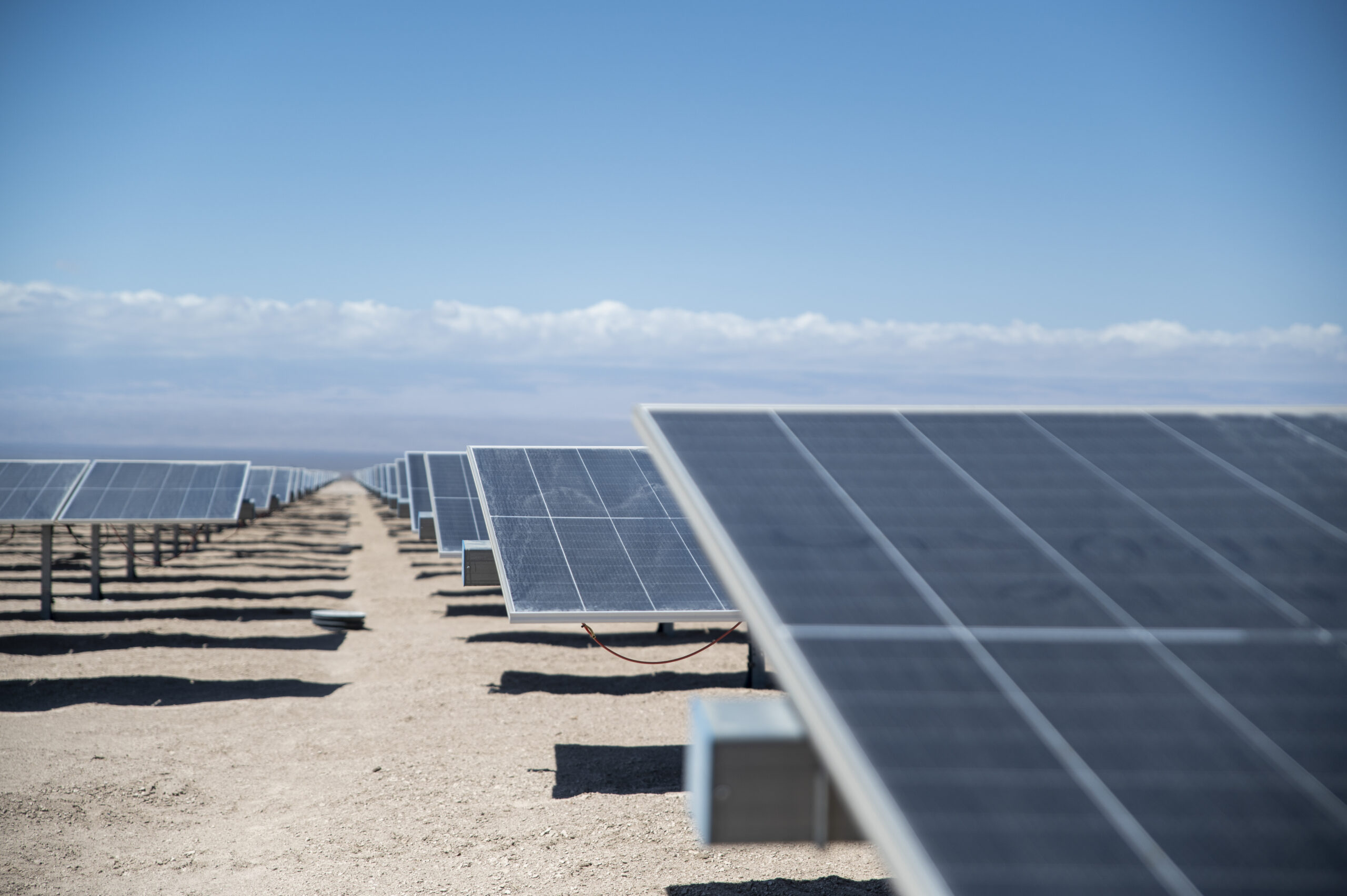
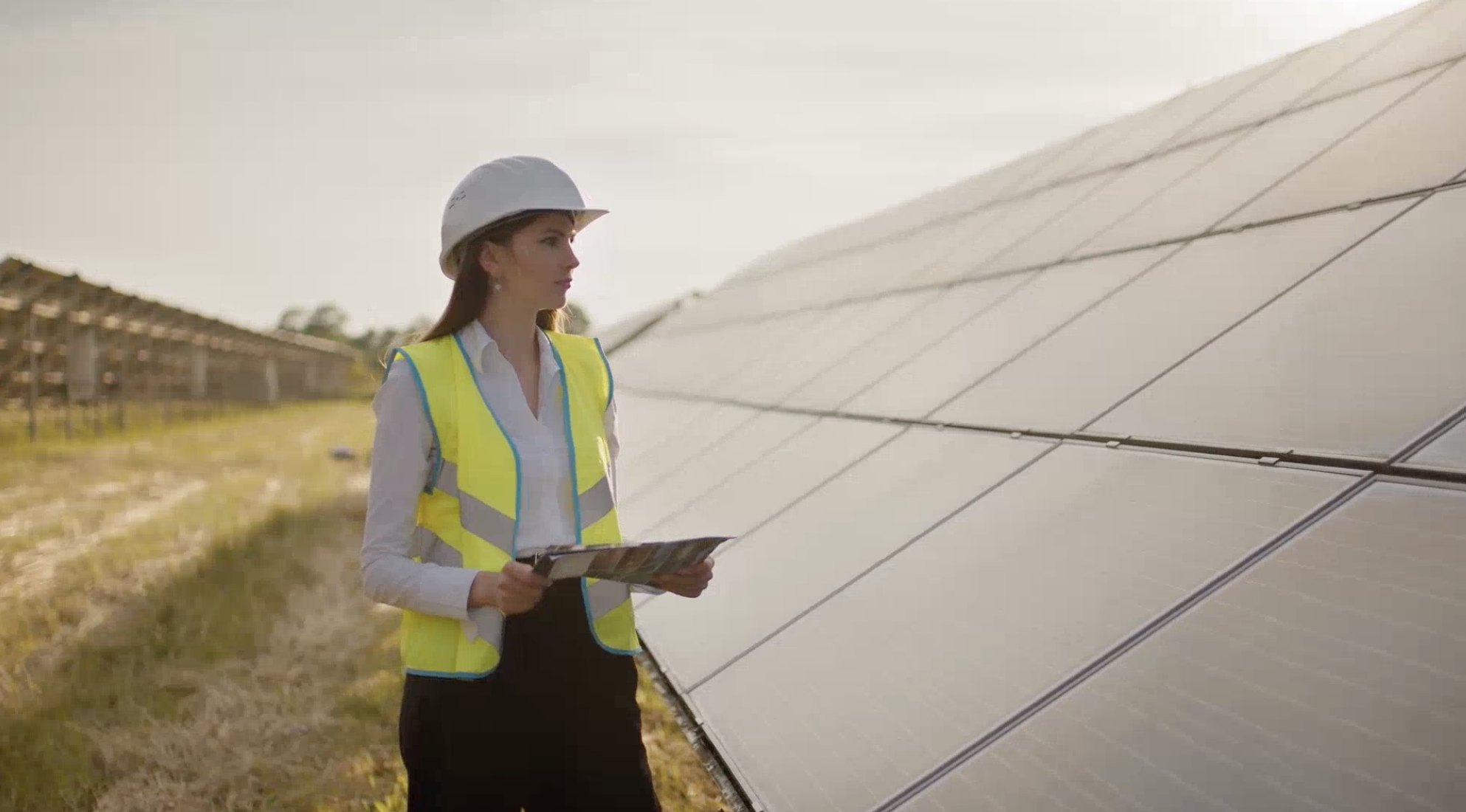
    Metal structures are assembled and solar panel mounting systems are installed. This phase also includes the mechanical installation of the photovoltaic modules and single-axis trackers that follow the sun to maximize generation.
  • Electrical Works
    Electrical Works
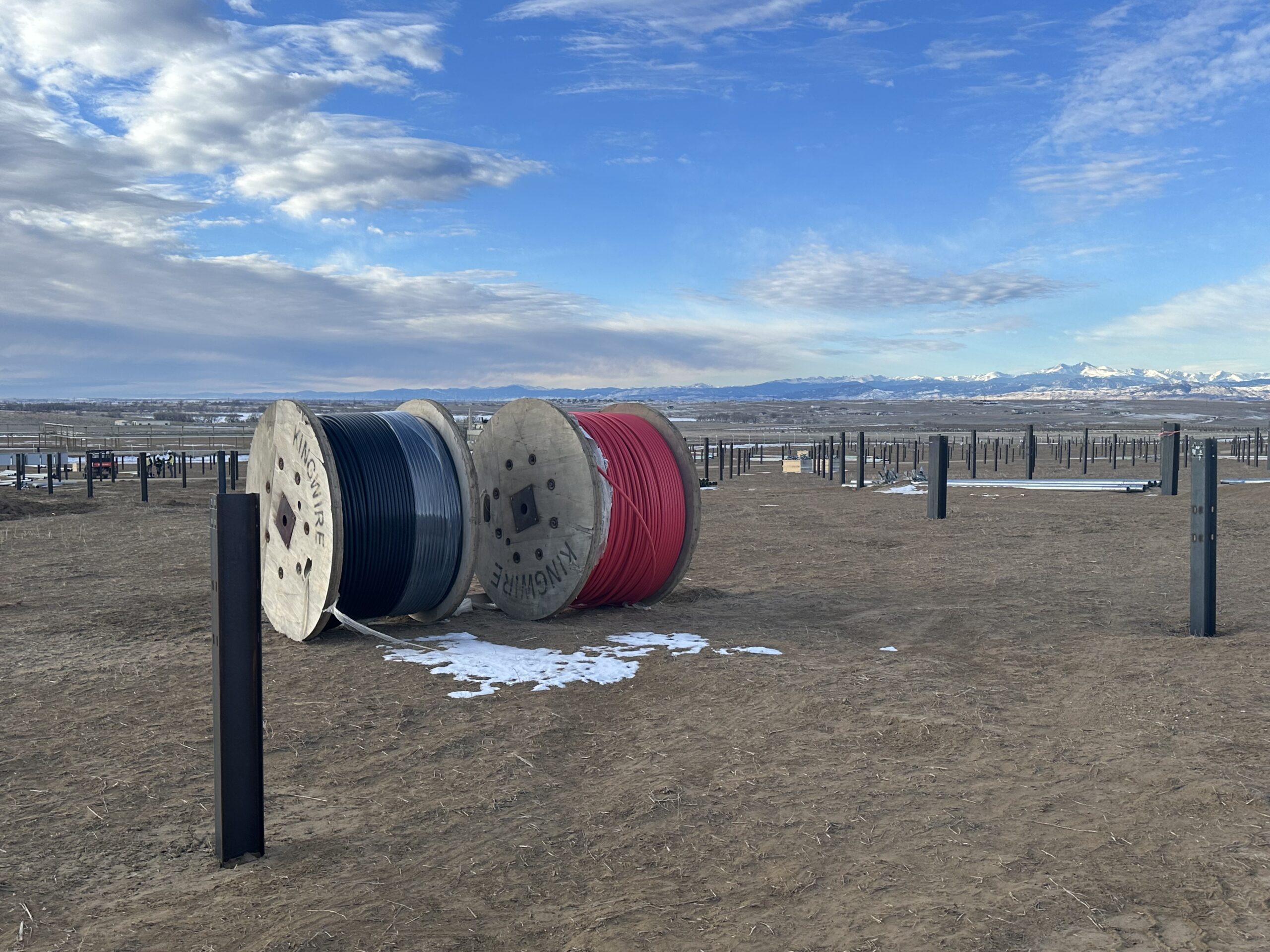
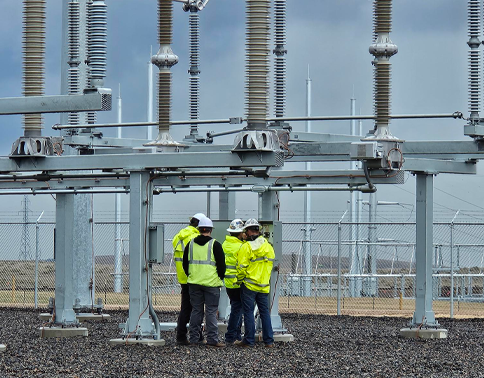
    The next step involves the installation of inverters, transformers, and medium-voltage electrical cabling. These components are then connected to the plant's main substation, enabling energy delivery to the grid.
  • Commissioning and Testing
    Commissioning and Testing
    Once all systems are in place, extensive testing is performed to ensure the plant meets performance and safety standards. This encompasses functional tests of all equipment, grid interconnection procedures, and compliance with utility and regulatory requirements.
  • Commercial operation
    Commercial operation
    After passing final inspections and obtaining operating permits, the plant enters its Commercial Operation Date (COD), officially delivering clean electricity to the grid and supporting Chile’s renewable energy goals
This content is blocked.

Click here to change your cookie preferences.